What Agencies Want to See in a Talent Portfolio.
A Midwest starter guide for models & actors who want to submit portfolios with confidence.
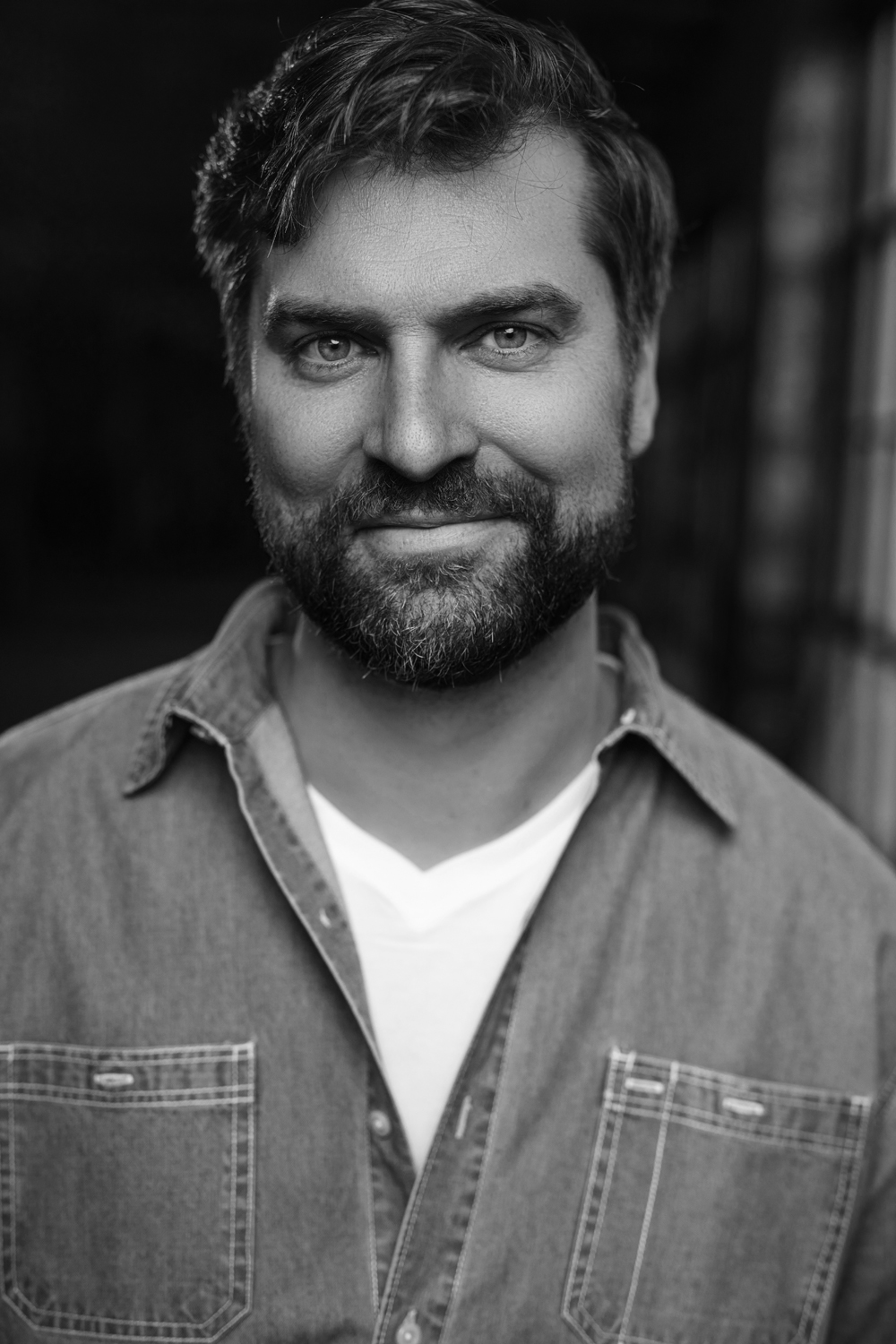
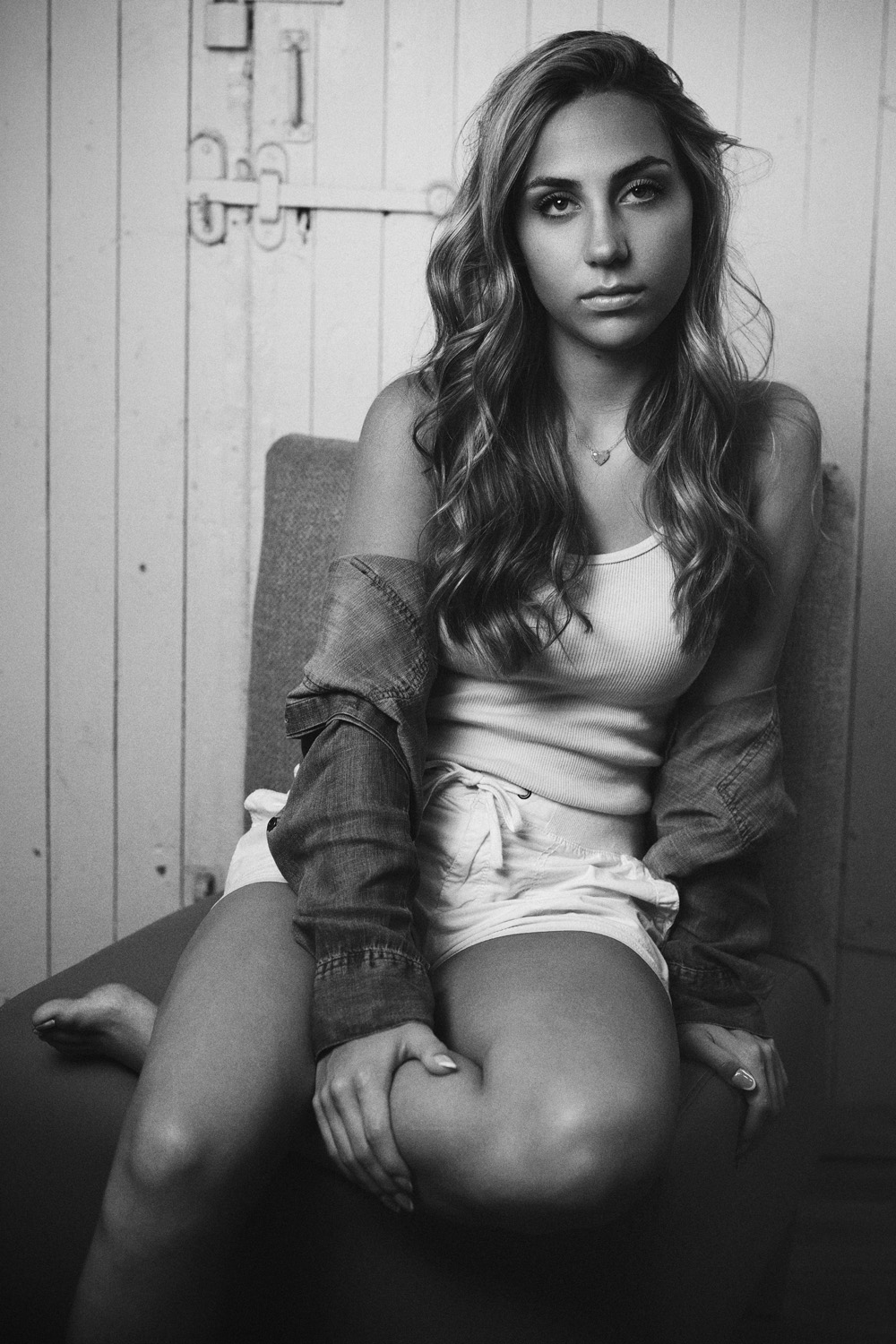
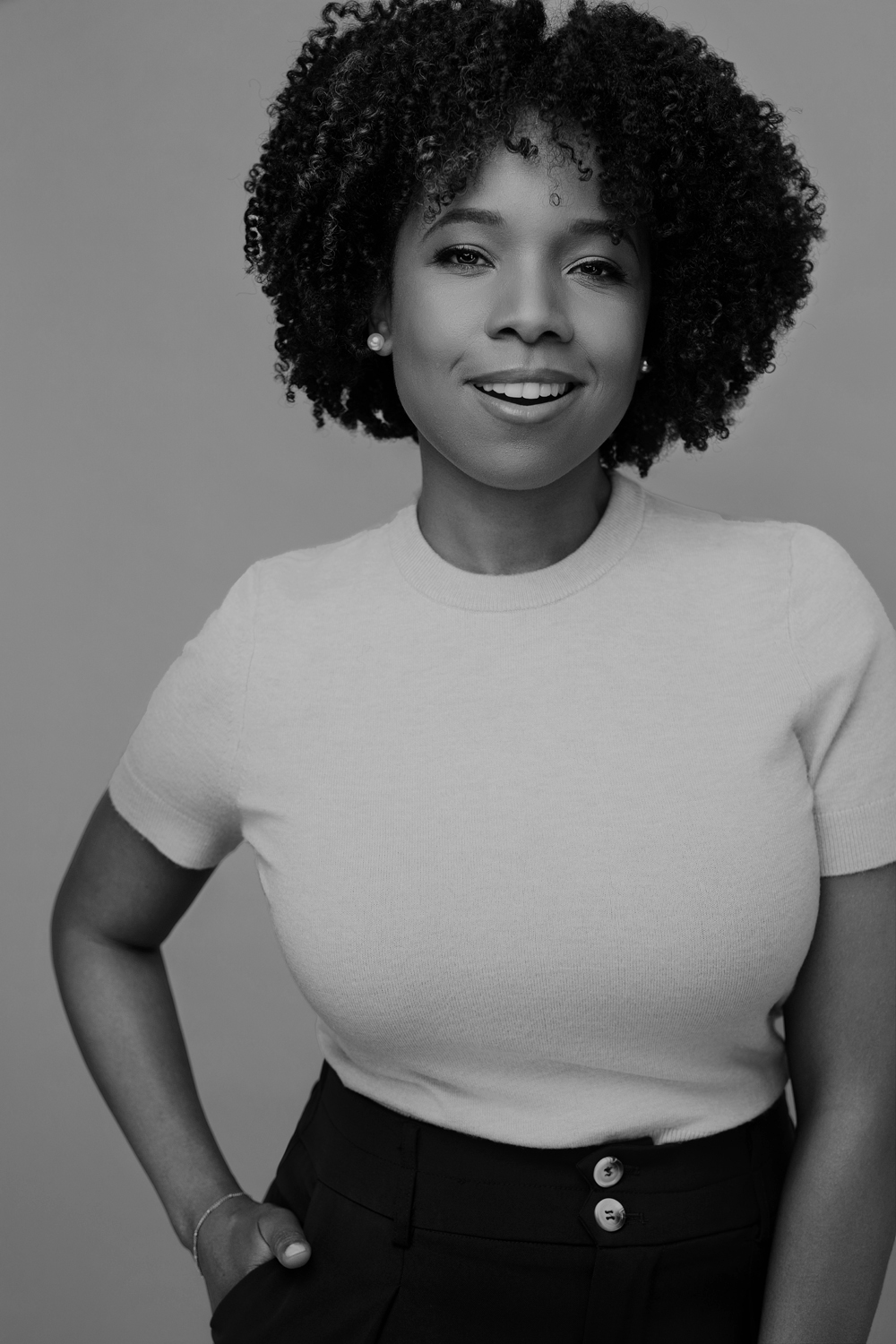
If you’re just getting started as a model, it’s easy to assume you need a high-fashion portfolio right away.
You don’t.
Most agencies aren’t looking for a portfolio that feels like a magazine. They’re looking for clear, current, competitive images that answer one simple question:
“Can we see this person booking work?”
In this post, I’ll break down exactly what agencies want to see in a starter portfolio, what to avoid, and how many images you realistically need to submit in the Midwest – without overthinking it.
What “competitive” really means
A competitive portfolio is built on three things:
1) Clarity
Your images should make it easy to see:
-
Your face (clearly)
-
Your proportions/body line (accurately)
-
Your current look (hair length/color, brows, skin tone, etc.)
2) Range (without confusion)
Range doesn’t mean “a different person in every photo.”
It means agencies can see you in a few believable lanes:
-
commercial-friendly
-
more serious / editorial
-
approachable lifestyle
-
clean, professional “baseline” images
3) Natural + polished balance
Agencies want you to look like you, on your best day. Not overly filtered. Not over (or under) retouched. Not “Instagram perfect.” On the flip side, you should present your best-self in your portfolio. Doing so shows you’re a professional and your eager to work.
The minimum viable portfolio: the shot types you need
If you’re starting from zero (or close to it), this is the simplest blueprint that works.
1) Clean, natural headshot
This is your “baseline” image.
-
natural makeup (daily wear or daily wear +)
-
clean light
-
neutral expression (not overly serious)
-
no heavy retouching
Goal: Agencies see your bone structure, skin texture, and current look.
What agencies don’t want
This is where many new talent unintentionally sabotage their first impression.
• Over-editing and filters
If your skin looks plastic, your eyes are sharpened into glass, or everything looks overly smoothed, agencies assume you’re hiding something.
• Too many similar images
Ten great shots in the same angle, outfit, and expression don’t equal range. Variety matters – choose carefully. If you’re unsure, consult your agents. If you don’t have an agent, ask your photographer for help.
• Costume / Character styling
If your wardrobe looks too much like a character (business / doctor / athletic) it distracts from you. Agencies want cast-able, not confusing or cheesy. Also, avoid using props for the same reason.
• Old photos / outdated look
If your hair is different now, or you look noticeably younger/older than the images – update them. Agencies (and their clients) care about what you look like today.
• Random poses from the internet
Posing matters, but forced posing reads as insecurity. Direction should feel natural and confident – not performative.
How many images do you need to submit to agencies?
Most beginners don’t need 30 images. A strong starting point is typically:
-
6–10 solid images to begin submitting
-
10–15 if you want more range (and you’re serious about representation)
-
15–25+ if you’re building a deeper library for frequent submissions, castings, and ongoing growth
The real answer depends on your goals:
-
Are you submitting to one agency or several?
-
Are you model-only, actor-only, or model/actor?
-
Are you commercial-focused, editorial, or both?
A smaller set of strong images is always better than a large set of average images. A note for parents of young talent (and brand-new adults)…
If you’re new, it’s normal to feel uncertain. The industry can feel vague and intimidating at first. Here’s what you should know:
You don’t need to “fake experience.” You need a portfolio that shows agencies your potential, your professionalism, and your coachability. That’s what gets doors to open.
Ready to build a portfolio agencies take seriously?
If you’re brand new: Start with a foundational portfolio session focused on clean, competitive essentials.
If you’re a serious beginner: Build a larger set with more range (commercial + elevated options).
Next step: Reach out using the form below and tell me:
-
your age range (adult/teen/child)
-
your goals (model, actor, or both)
-
whether you’re pursuing agency representation right now
I’ll recommend the best starting approach – no pressure, just clarity.
Your Next Must-Read:
Model Digitals / Portfolio Photos / Actor Headshots – What’s the Difference & What do YOU Need?