Model Digitals. Portfolio Photos. Actor Headshots.
What’s the difference, and what do YOU need?
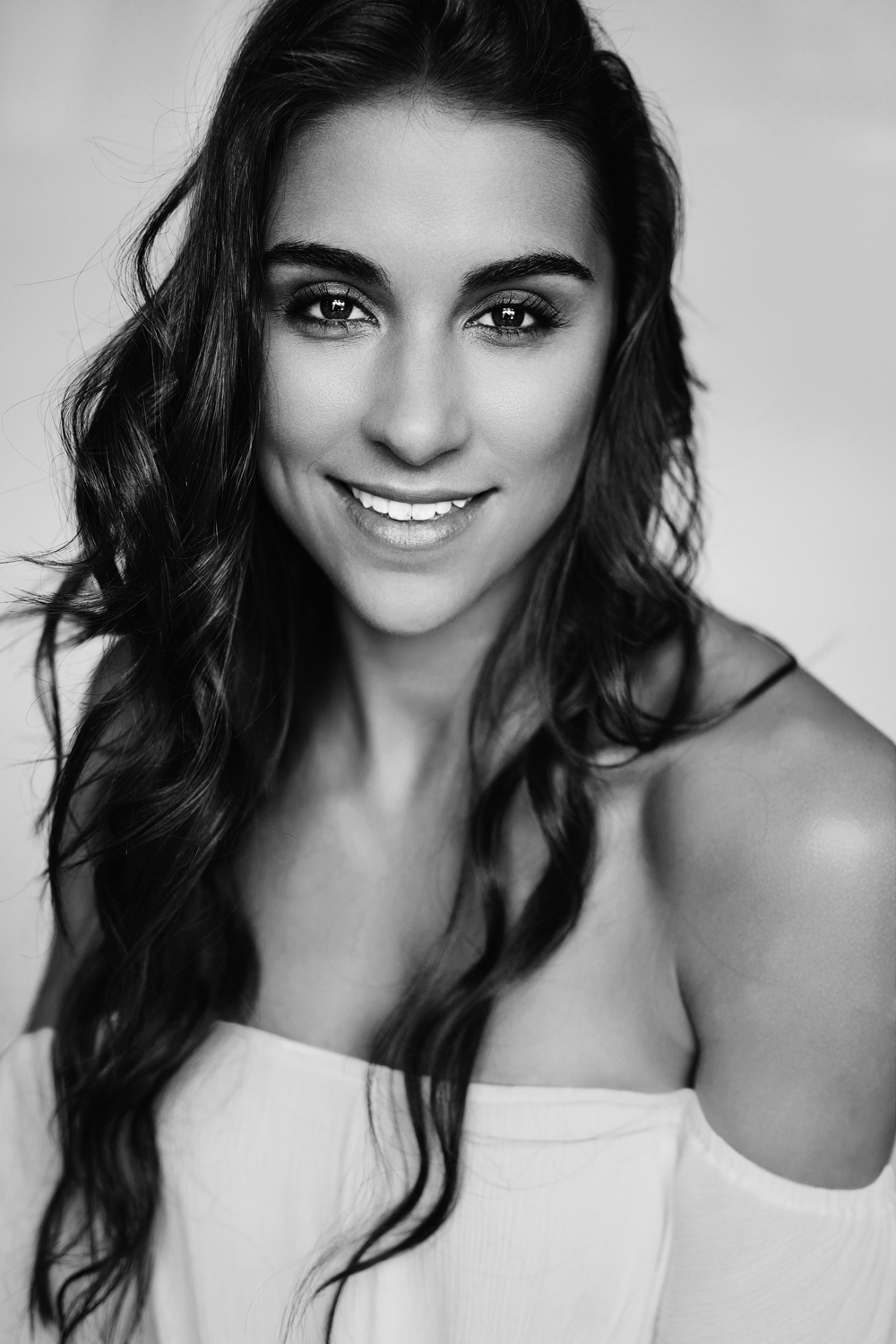
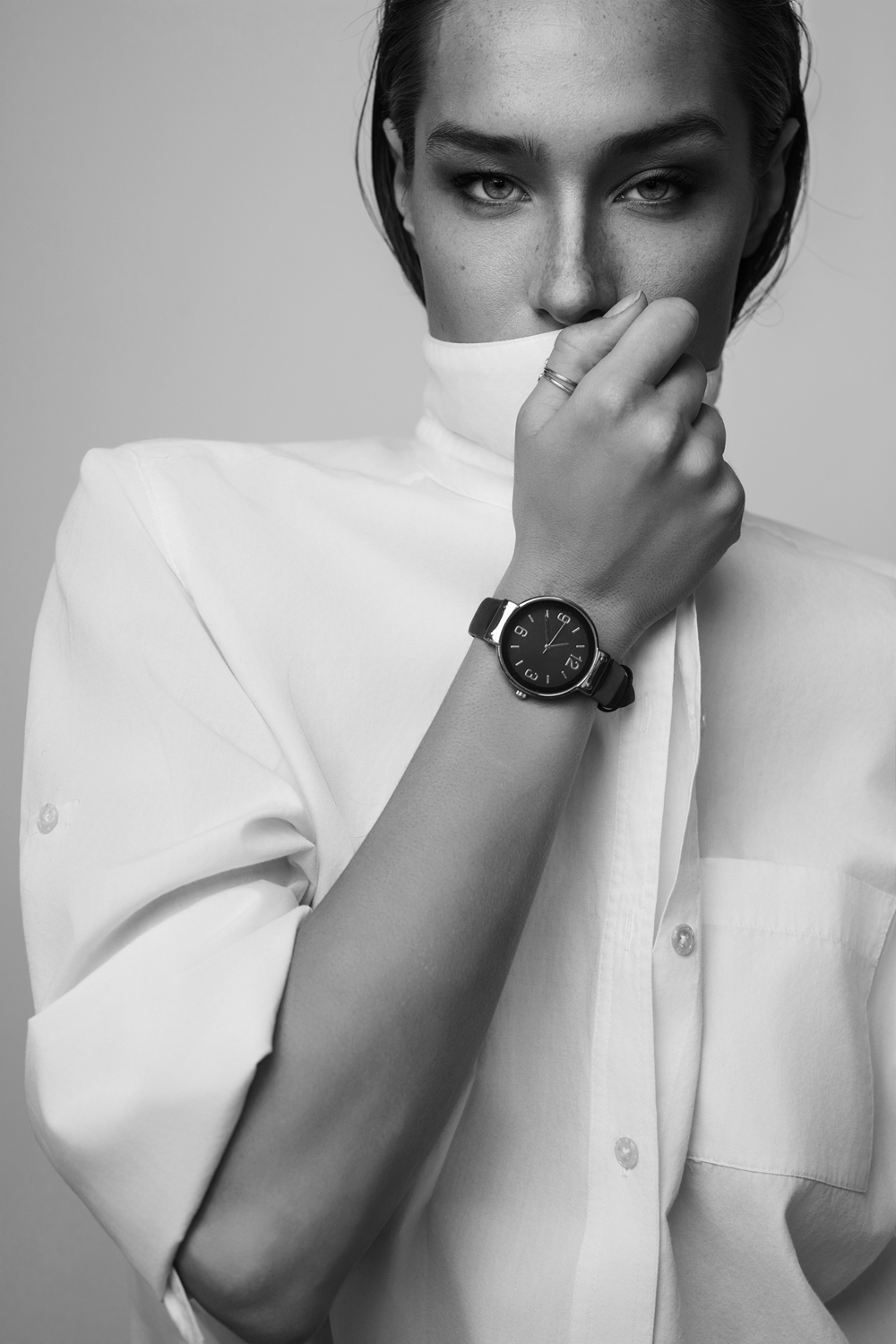
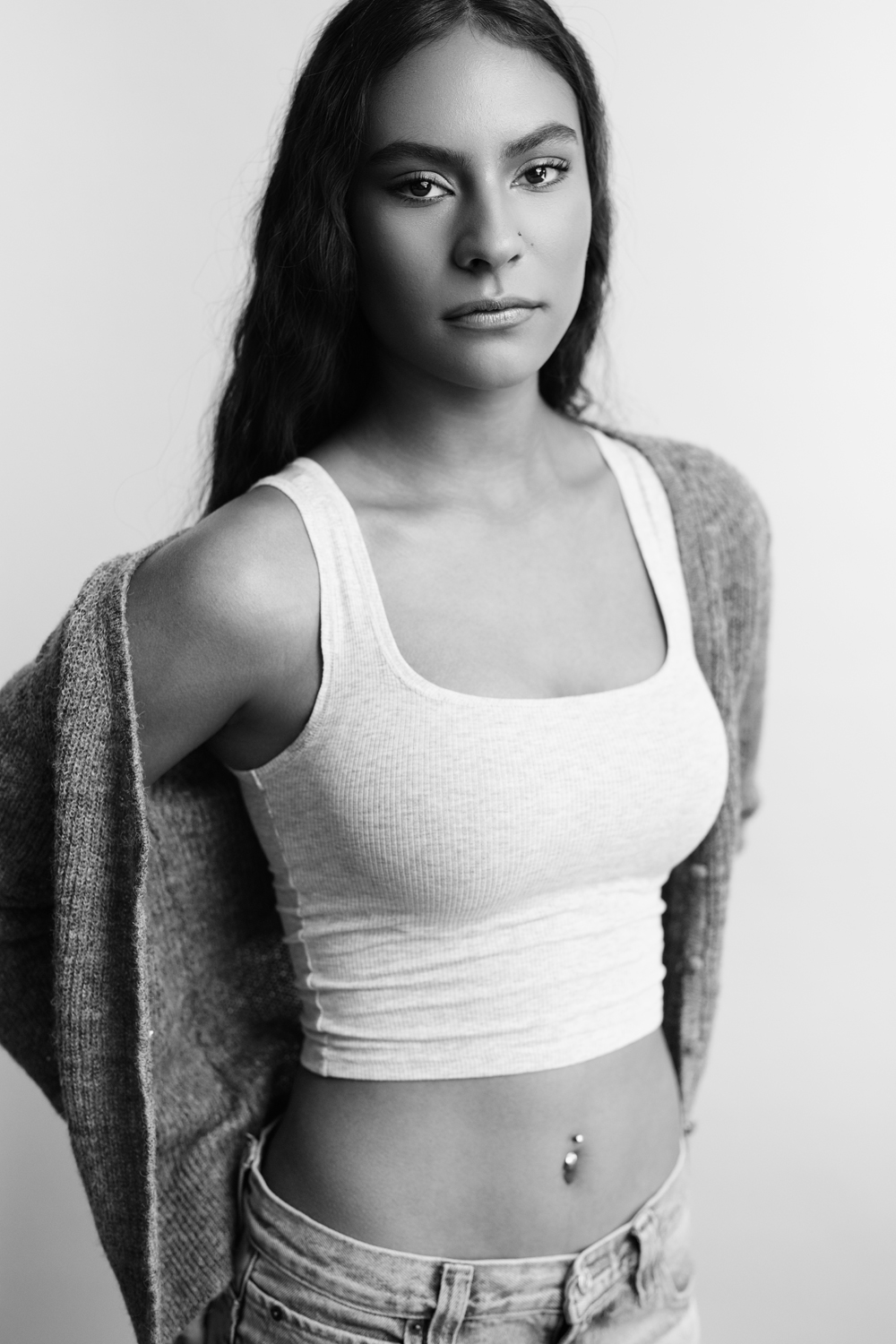
If you’re new to modeling or acting, the vocabulary can be confusing. Someone tells you to “send digitals” another person says you need “portfolio images” and then casting wants “headshots.” It can sound like three ways of saying the same thing.
They’re not. And when you understand the difference, the path forward gets a lot simpler – especially if you’re pursuing agency representation in the Midwest and want to submit like a pro.
Three tools, three different jobs
Digitals are simple, current photos that show what you look like right now – clean lighting, minimal styling, very little (or no) retouching. Digitals answer one question: “What do you look like today?” Agencies use them to assess your current face, proportions, and overall castability without the influence of styling.
Portfolio photos are your strongest “competitive” images—professional lighting, professional direction, intentional wardrobe, and clean finishing. Portfolio photos answer a different question: “What can you book?” They help agencies envision you in real-world campaigns and see your range without confusion.
Actor headshots are casting-focused. They’re less about “model variety” and more about believability, presence, and type clarity. Actor headshots answer this: “Can we see you in a role?” They’re designed to feel real, grounded, and emotionally truthful—without looking stylized or overly produced.
The most important takeaway
Digitals show accuracy. Portfolio photos show potential. Headshots show presence. When you use the right tool for the right purpose, your submission reads confident and professional.
What do you need first?
If you’re a model-first, agencies want to see both accuracy and potential. That usually means starting with digitals + a starter portfolio set, so you can submit with confidence and still meet requests when an agency says, “Send digitals.”
If you’re brand new, you don’t need a massive portfolio. You need a small set of strong images that clearly show your look, your body line, and the lanes you realistically fit (commercial/lifestyle is often the most practical start).
If you’re an actor-first, Start with actor headshots. This is the tool that most directly supports acting submissions and casting. Digitals can still be useful for updates or agency requests, but actor headshots are what communicate your type and your on-camera presence. The goal isn’t glamour – it’s clarity and truth.
If you’re pursuing both modeling and acting, you’ll want to avoid the most common mistake: mixing signals. When the same submission includes fashion-forward posing, heavily styled images, and then an actor headshot that’s trying to feel “real,” the overall impression can become confusing.
In most cases, the best approach is to build a coordinated set that keeps you recognizable across everything: digitals for accuracy, portfolio images for modeling range, and headshots for casting clarity.
What gets submitted where
When an agency asks for digitals, they’re usually trying to confirm your current look. When they evaluate portfolio images, they’re looking at your market fit and potential. And when acting reps or casting look at headshots, they’re assessing type, presence, and believability.
Different audience, different goal, different tool.
Resolution Matters
Never submit screenshots of proofs or phone-compressed images. Even when the photo itself is strong, screenshots and phone downloads often reduce resolution and add compression. That can make your work look less professional than it actually is – especially when agencies are comparing dozens (or hundreds) of submissions.
If you’re investing in portfolio development, protect the file quality. It’s part of what separates “serious beginner” from “not ready yet,” even when the talent is there.
How to decide your next step
Model-first: begin with digitals + a starter portfolio set.
Actor-first: begin with headshots.
Model/actor: build a coordinated package so your materials work together instead of competing.
If you’re unsure, that’s normal. A lot of new talent just need someone experienced to say, “Based on your goals, here’s the smartest first step.”
Not sure what you need first? I can help.
Reach out using the “Questions?” button below; tell me your age range (adult/teen/child), whether you’re pursuing modeling, acting, or both, and whether you’re submitting to agencies right now.
I’ll recommend the most strategic starting point so you can stop guessing and move forward with confidence.
Your Next Must-Read:
Your First Portfolio Shoot – the Complete Prep Checklist