Choose Your Modeling Lane.
Commercial vs. Editorial vs. Lifestyle.


One of the most important questions you can ask when you’re getting started (and one of the easiest to get wrong early) is, “What’s my lane?”
A lot of talent start with big dreams (as you should). The challenge is that big dreams can sometimes push you toward early decisions that don’t actually help you get booked. You end up building a portfolio that looks good for Instagram, but doesn’t communicate what agencies and clients need to see in order to submit you confidently.
Choosing a lane isn’t about limiting your future. It’s about making your portfolio clear enough that a decision-maker can immediately understand where you fit, what you can book, and what you’re building toward.
And yes, there are real opportunities in the Midwest. The goal is to build a portfolio that matches the work that exists here, while still leaving room to grow into bigger markets over time.
Why lane clarity matters
When an agency looks at a new portfolio, they aren’t only asking, “Are these good pictures?” They’re also asking, “Where would we place this person?”
If your images point in ten directions, your submission becomes harder to understand. Even strong photos can feel confusing if the styling, mood, retouching, and expressions don’t connect to a clear purpose.
Lane clarity fixes that. It helps you choose the right images, wardrobe, and shoot concepts so your portfolio reads as intentional, professional, and bookable.
Your lane is a start, not a ceiling
New talent often worry that choosing a lane means giving up the dream. It doesn’t. Your lane is simply the most believable place for you to start booking now. As you gain momentum, you can expand. Many successful talent begin with commercial or lifestyle work and then grow into more specialized opportunities with time, training, stronger images, and stronger agency relationships.
Think of your lane as your launch point. The clearer it is, the easier it is to move forward.
The three common lanes
There are many subcategories in modeling, but most beginners fall into a few core lanes that agencies (and their clients) can quickly understand. The goal is to choose the lane you’re most likely to book first, then build range around it.
Commercial
Commercial modeling is about being relatable, believable, and brand-friendly. It’s often the fastest path to early bookings because many campaigns need people who look like real, confident humans. Approachable, expressive, and easy to cast.
Commercial portfolios usually emphasize clean light, natural retouching, and expressions that feel warm and genuine. Styling is typically simple and current rather than dramatic. These images should show that you can sell a product, a service, or a lifestyle without looking overly posed.
If you’ve ever been told you have a great smile or you photograph with warmth, commercial might be a strong starting lane.
Lifestyle
Lifestyle modeling is closely related to commercial, but the feel is usually more candid and story-driven. Think real moments, movement, environment, and a sense of life happening around you.
Lifestyle imagery often looks like a brand’s website or social campaign: walking, laughing, working, training, cooking, traveling, or hanging out with friends. It still needs polish, but it shouldn’t feel stiff. The best lifestyle portfolios look modern, natural, and easy to imagine in a real campaign.
If movement feels easier than posing, or if you photograph best in environments rather than studio-only setups, lifestyle can be an excellent lane.
Editorial
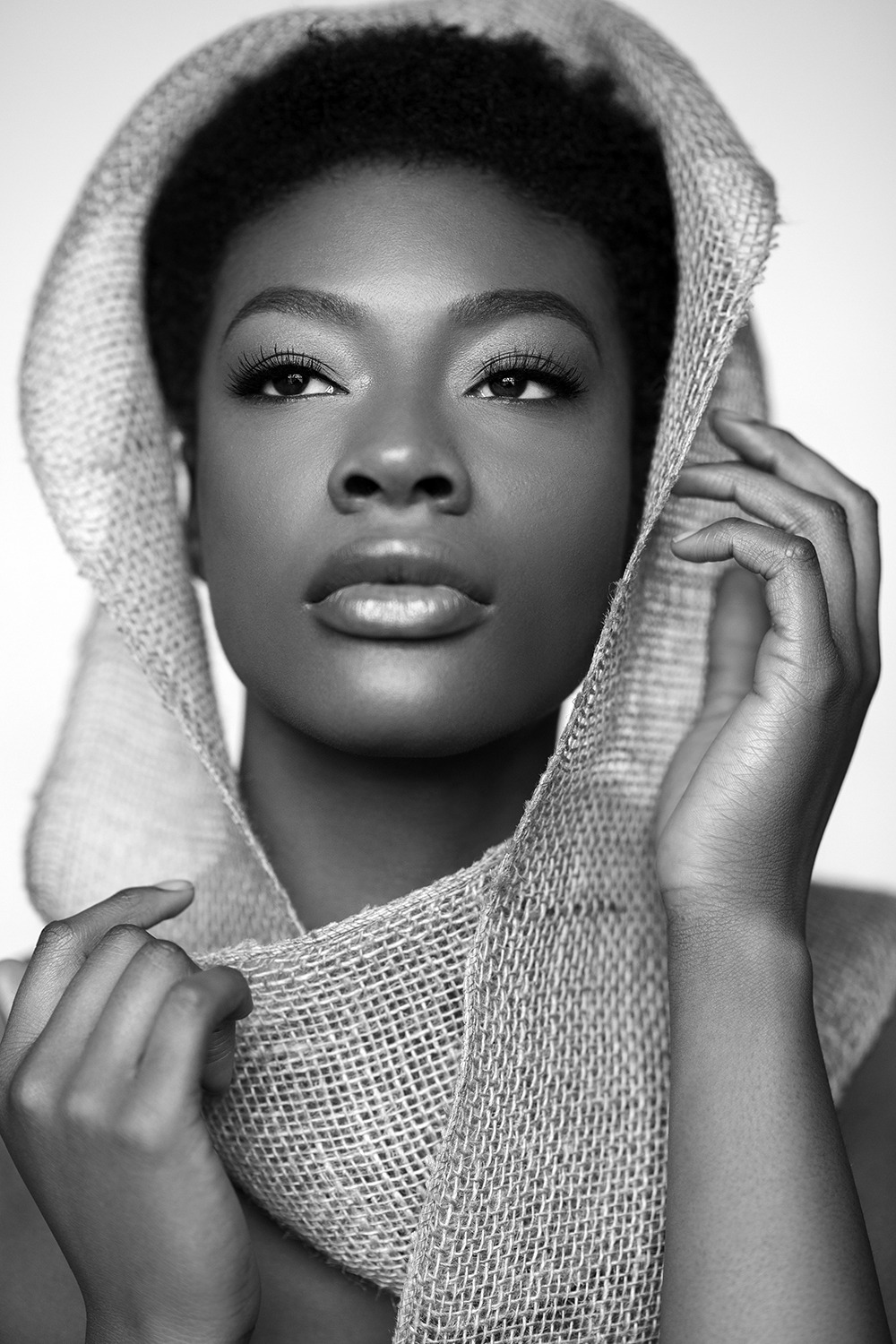
Editorial is more stylized. Expressions are often more controlled, posing is more intentional, and the overall look is more fashion-forward. Editorial images can be beautiful and powerful, but this is also where beginners sometimes move too far too soon.
When new talent build only editorial images, they sacrifice clarity and bookability. Heavy styling, intense retouching, and dramatic concepts can make it harder for an agency to see what you look like in real life. It can also make it harder to submit you for the kinds of jobs that commonly come first.
That doesn’t mean editorial is off-limits in the Midwest. It means editorial usually works best on top of a clear foundation: clean baseline images, commercial-friendly options, and then an elevated editorial look that still looks like you.
If you’re drawn to fashion, strong posing, and a more elevated look, editorial can absolutely be part of your plan. The key is building it in the right order.
How to choose your lane
If you’re stuck, don’t decide based on what sounds most impressive. Decide based on what’s most believable and useful right now.
Start with what you’re most likely to be cast for today. Not forever. Today. What roles do people already tell you you’d be great for? What brands could you realistically represent? What type of expression comes naturally for you on camera?
Next, pay attention to your strengths. Some talent are strongest when they’re smiling and connecting. Others are strongest when the expression is subtle and controlled. Some look best in clean studio light. Others come alive in motion outdoors. Those details can guide your lane choice more accurately than trends.
Finally, consider your next step. If your goal is agency representation, lane clarity helps the person reviewing your materials. If your goal is self-submitting for commercial work, you want the lane that makes clients say yes quickly.
Range without confusion
Range is crucial. The simplest way to build range is to anchor your portfolio with a clear baseline and then add controlled variety that still feels connected to the same person.
A strong structure often looks like this: a clean, natural set that shows your true look; a commercial or lifestyle set that shows you as bookable; and one elevated look that adds dimension without changing your identity.
The most common mistake is jumping into multiple aesthetics that don’t connect. When your portfolio looks like different people, agencies struggle to pitch you because they can’t predict what a client will get.
If you’re a model/actor
If you’re pursuing both modeling and acting, lane clarity matters even more because your tools serve different purposes.
Your modeling portfolio should communicate bookability and range in a visual, brand-friendly way. Your actor headshots should communicate casting potential and believable character energy.
You can absolutely do both. The key is keeping each tool focused so your submission package feels clear rather than scattered.
Midwest opportunities & smart strategy
The Midwest is a market with specific kinds of work that reward talent who are prepared, professional, and clear.
Many early jobs are commercial and lifestyle-driven, which is good news for beginners because those lanes are often more accessible early. Editorial can still be part of your long-term path, but it’s usually most effective when it’s built on top of a strong foundation.
Dream big. Then build smart.
Want help choosing your lane?
If you’re not sure what lane fits you yet, you don’t need to guess. You need a plan that matches your goals and the market you’re stepping into.
If you reach out, share your age range (adult, teen, or child), whether you’re pursuing modeling, acting, or both, and what you’re aiming for right now (first bookings, agency submission, or portfolio rebuild). I’ll help you choose a direction that feels realistic and exciting, then build a set of images that supports it.
Your Next Must-Read:
Your First Portfolio Shoot – the Complete Prep Checklist